Evidence-Based Expressive Therapies
What to ExpectWe are committed to advancing evidence-based practices in expressive therapies by highlighting emerging research and clinical insights from practitioners in the field.
October, 2023
Dr. Lynda Naimoli, PhD
Abstract
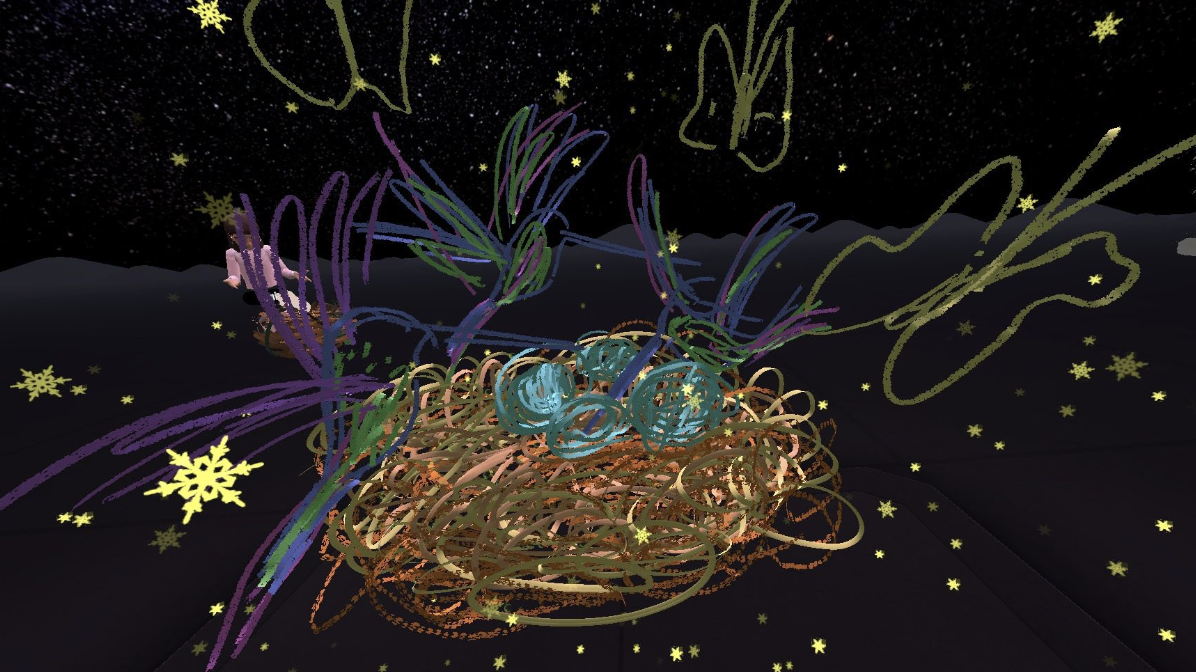
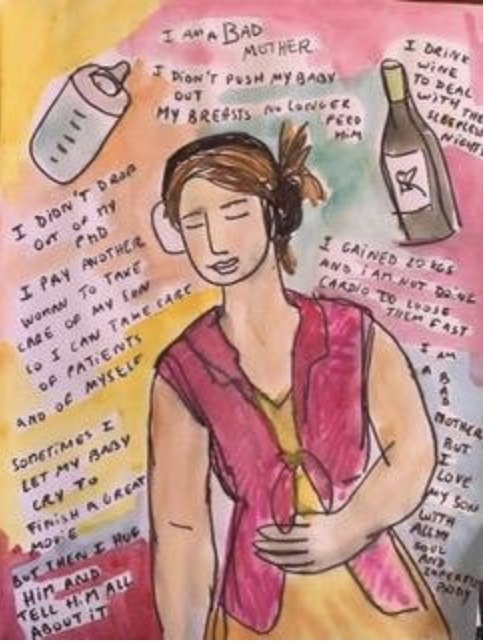
A Study about The Nurturing Dance An art-based research study with the inquiries of the breastfeeding mother-infant dyad in mind, was designed with a phenomenological approach that included autobiographical narratives and embodied lived emotions and reflection, which allowed for the integration of dance and movement within the arts-based research realm. Interviews were conducted with each participant to provide an in-depth comprehension of their breastfeeding and postpartum experiences. The participants attended three open group discussions where they expressed their breastfeeding struggles and accomplishments, bonding with their child, and motherhood. Participants were asked to create gestural descriptors that described their breastfeeding experience, and through the image making process, participants choreographed a symbolic dance which was captured on film. Journal entries included written testimonial and self-portraits created through photography and visual art. Eight themes emerged from this study: loneliness, pain, tired, importance of nurturing their infant, guilt, grief, joy, and closure. The researcher’s embodied empathetic reflection to the mother-infant movement sequences were also captured on film and is accompanied with a voice over that addressed the participants feelings and thoughts, and the overarching themes. This study was conducted during the COVID-19 pandemic and provided participants insight in finding resilience during breastfeeding and nurturing their infants during stressful times through therapeutic movement, kinesthetic empathy, and artistic dance.
July, 2026
October, 2023
Dr. Lee Cohen, PhD
Abstract
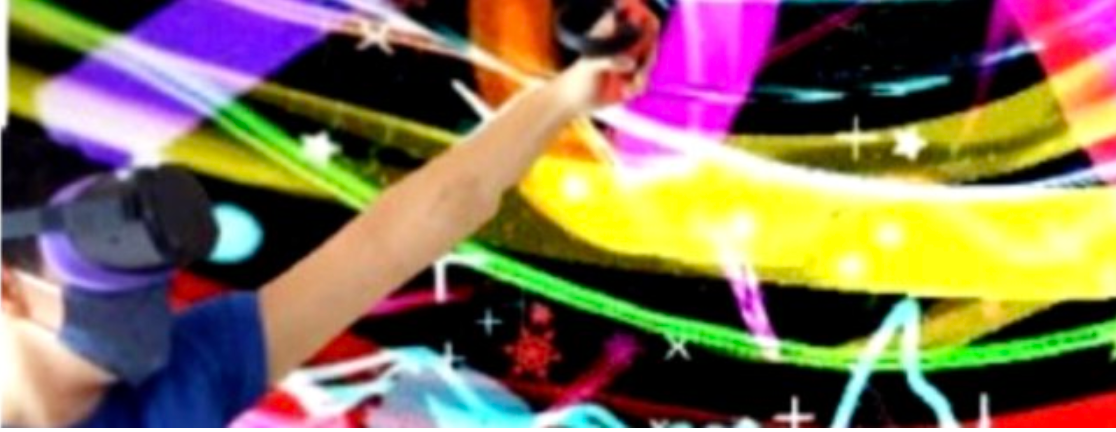
Young adults aged 21–35 experience disproportionately high rates of mental health conditions yet exhibit lowtreatment-seeking behaviors, creating a significant care gap. Digital interventions, particularly Virtual Reality(VR), show promise for reaching this tech-savvy group. This study is among the first to examine how VR-basedart making unfolds in clinical practice, centering the lived experiences of art therapist participants (ATPs) whofacilitated immersive group art making sessions with young adults. It also introduces Virtual Reality ResponseArt (VRRA) as a novel methodological tool, representing the first known application of response art principleswithin an immersive VR environment in art therapy research and practice. Three credentialed art therapists andnine young adults participated, sharing insights via interviews after VR group sessions and VRRA creation.Thematic analysis revealed adaptation to VR influenced group dynamics, embodiment, collaboration, boundarymanagement, and sensory stimulation, while raising ethical issues. Overall, VR presents a viable, engagingmodality for young adults resistant to conventional interventions.
Dr. Lee Cohen, PhD

Abstract
This qualitative pilot study investigated the drawing experiences of five adolescent participants to examine virtual reality (VR) as an expressive tool for art therapy for trauma-exposed youth. The participants drew their safe space with traditional art materials (TAM) and then replicated it three-dimensionally utilizing the Oculus Quest for VR artmaking. A phenomenological comparison approach allowed the researcher to explore the data collected through thematic analysis. The investigator presents five themes as the result of five transcribed and coded semi-structured interviews: lack of knowledge/confidence, novelty, empowerment, multisensory, and an unexpected finding of gender-switching to avoid cyberbullying. The results of this pilot study suggest that VR fostered the adolescents’ participation while empowering them to express thoughts, actions, and emotions in nontraditional forms.